Software Inspections
Software Inspections: Why They Are Your Secret Weapon for Quality Code
If you are serious about building robust, reliable software, you've probably heard of various testing and quality assurance techniques. But let's talk about something often overlooked yet incredibly powerful: Software Inspections. These aren't just casual code reviews; they are a formalized, rigorous process designed to find defects early—long before the user ever sees them.
Think of software development as building a skyscraper. Would you wait until the building is half-finished to check if the foundation blueprints were correct? Of course not! Software Inspections apply this preventative mindset to your code and design documents, saving you immense time and money down the road.
We're going to dive into what makes this methodology so effective, the steps involved, and how integrating formal inspections can fundamentally change the quality trajectory of your development team.
What Exactly Are Software Inspections?
At its heart, a Software Inspection is a structured, peer-review process where trained inspectors thoroughly examine a software product (which could be source code, requirements specifications, or design documents). This process is highly formalized, usually following a documented checklist and strict procedural rules.
Unlike simple desk-checks or casual pairing, formal inspections involve preparation, scheduled meetings, and specific roles assigned to participants. The primary goal is not to fix the defect, but meticulously identify it. Fixing comes later.
This rigorous approach ensures completeness and objectivity. When conducted correctly, Software Inspections are one of the most effective defect detection methods available in the software engineering toolkit.
The Core Benefits of Embracing Software Inspections
Why should you invest resources and time into formal Software Inspections when you already have unit testing and integration testing? The answer lies in efficiency and the cost of quality.
Inspections offer benefits that automated testing simply cannot replicate, focusing on logic flaws, requirements ambiguities, and subtle errors that might slip past execution-based testing.
- High Defect Yield: Inspections often uncover a higher percentage of defects per hour spent compared to testing.
- Early Detection: They can review artifacts (like design documents) that haven't even been converted into executable code yet.
- Improved Maintainability: By reviewing adherence to coding standards and design principles, inspections lead to cleaner, more maintainable code bases.
- Reduced Rework: Finding a requirements flaw during the inspection phase is exponentially cheaper than fixing it after deployment.
Catching Errors Early: The Cost-Saving Advantage
The biggest financial argument for formal Software Inspections comes down to the escalating cost of fixing defects. Research consistently shows that a bug caught in the requirements phase costs mere dollars to fix, while the same bug found in production can cost thousands or even cause reputational damage.
Inspections proactively pull defects forward in the lifecycle. By dedicating time upfront to review artifacts rigorously, you significantly reduce the amount of time spent scrambling to patch critical bugs later on.
This early intervention transforms your development budget from reactive firefighting to proactive quality management.
Knowledge Transfer and Team Improvement
Beyond finding bugs, the inspection process itself is a powerful learning tool. When developers review each other's work using a standard checklist, they internalize best practices, identify common pitfalls, and share expertise.
This peer learning leads to a measurable increase in overall team skill level. New developers quickly absorb coding standards, and senior developers gain exposure to different solution approaches.
Ultimately, a successful Software Inspection program doesn't just improve the product; it improves the people making the product.
The Step-by-Step Process of a Formal Inspection
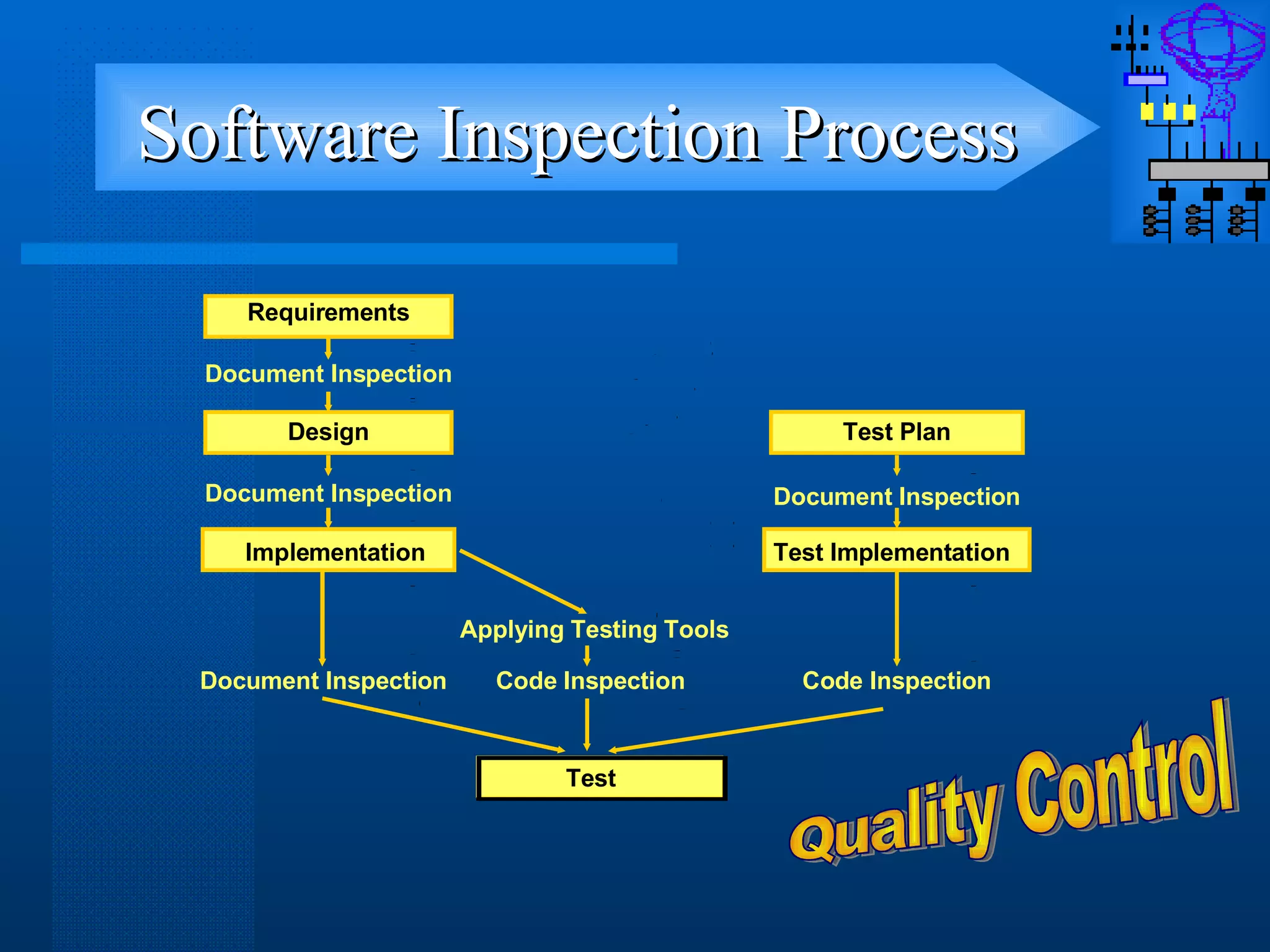
While specific models vary (the Fagan Inspection model is the classic standard), most formal Software Inspections follow a structured six-step lifecycle. Adherence to these steps is key to maintaining the rigor and effectiveness of the process.
- Planning: The moderator ensures the document (the artifact) is ready for inspection. They organize the team, distribute the material, and confirm all resources are available.
- Overview: The author briefly presents the artifact to the inspectors, explaining the purpose, scope, and context. This helps ensure everyone understands the material before diving into detail.
- Preparation (Individual Check): Inspectors independently review the material against a checklist, making notes on potential defects, violations of standards, and ambiguities. This is where most of the actual defect hunting happens.
- Inspection Meeting: The core meeting. The moderator guides the team through the document, consolidating defects found during preparation. Importantly, the meeting focuses solely on listing defects, not discussing solutions or fixes.
- Rework: The author takes the list of defects generated during the meeting and makes the necessary corrections to the artifact.
- Follow-up: The moderator ensures that all identified defects have been corrected and that no new errors were introduced during the rework phase. The inspection is only complete once the fixes are verified.
Notice that the process is highly controlled. Keeping the meeting focused solely on defect discovery prevents conversations from becoming debates about design choices, maintaining efficiency.
Key Roles in the Inspection Team
For an inspection to be successful, everyone must understand their responsibilities. Formal Software Inspections require specific, defined roles, often filled by 3 to 6 people.
- The Moderator (or Leader): This is arguably the most critical role. They schedule the meeting, train the participants, ensure adherence to the process, record the results, and verify the final fixes. They are process facilitators, not technical arbiters.
- The Author: The person who created the artifact being inspected (code, design document, etc.). Their role is primarily to provide clarification, not to defend their work.
- The Reader: During the meeting, the reader paraphrases or reads the document aloud, driving the inspection pace and helping surface issues.
- The Inspectors (or Reviewers): These are technical peers (often experienced developers or QA engineers) who thoroughly examine the material during the preparation stage and contribute their findings during the meeting.
Software Inspections vs. Other Review Techniques
Sometimes, teams mistake casual code review or simple walkthroughs for true Software Inspections. While all are valuable forms of static analysis, inspections are significantly more rigorous and resource-intensive, which is reflected in their higher defect yield.
It's important to know the difference so you can choose the right tool for the job. You wouldn't use a heavy formal inspection for a quick five-line code change, but you definitely should for a critical architectural design document.
Walkthroughs
Walkthroughs are generally informal sessions led by the author. The author "walks" the team through the document, often following an imagined execution path or use case scenario. They are excellent for educating the team and building consensus.
However, walkthroughs lack the formal preparation and strict moderator control of an inspection. The focus tends to drift towards design discussion rather than systematic defect finding.
Technical Reviews
Technical reviews are more focused than walkthroughs, usually aiming to confirm that the software artifact adheres to specific standards or technical specifications. They are typically less resource-intensive than inspections but more structured than walkthroughs.
While technical reviews use checklists, they often skip the meticulous data gathering and strict process controls that characterize a formal Software Inspection. They are a great middle ground for less critical components.
Conclusion
Implementing formal Software Inspections requires commitment and training, but the return on investment is undeniable. By adopting this rigorous, peer-based approach, you move beyond merely finding bugs to preventing them from entering the system in the first place.
Software Inspections are essential for high-assurance systems, helping teams catch subtle logic errors, requirements inconsistencies, and architectural flaws early, when the cost of repair is lowest. If quality, cost control, and team growth are priorities, formal inspections should be a cornerstone of your software development process.
Frequently Asked Questions (FAQ) About Software Inspections
- What is the main difference between Software Inspections and Code Reviews?
- While both involve peers examining code, Software Inspections are far more formal, utilizing specific roles (Moderator, Reader), structured checklists, mandatory preparation time, and strict rules regarding meeting length and output. Code reviews (especially automated ones) are generally less formal and focused on quick feedback.
- When in the development cycle should Software Inspections be performed?
- Inspections are most valuable when performed on artifacts that precede executable code, such as requirements specifications, design documents, and architecture diagrams. They are also highly effective on the source code itself, immediately after it is written.
- How long should an inspection meeting last?
- Research and best practice (like the Fagan model) suggest that inspection meetings should be short and highly focused—typically no more than 60 to 90 minutes. Longer meetings lead to inspector fatigue and reduced effectiveness.
- Do Software Inspections replace traditional software testing?
- Absolutely not. Inspections and testing are complementary quality assurance activities. Inspections focus on static, intellectual defects (like incorrect logic or standard violations), while testing focuses on dynamic errors related to execution environment, performance, and integration. Both are necessary for high-quality software.
Software Inspections
Software Inspections Wallpapers
Collection of software inspections wallpapers for your desktop and mobile devices.

Crisp Software Inspections Landscape Art
A captivating software inspections scene that brings tranquility and beauty to any device.
Captivating Software Inspections Design Concept
This gorgeous software inspections photo offers a breathtaking view, making it a perfect choice for your next wallpaper.
Mesmerizing Software Inspections Image Collection
Discover an amazing software inspections background image, ideal for personalizing your devices with vibrant colors and intricate designs.
Stunning Software Inspections Picture Nature
A captivating software inspections scene that brings tranquility and beauty to any device.
Exquisite Software Inspections Capture Digital Art
This gorgeous software inspections photo offers a breathtaking view, making it a perfect choice for your next wallpaper.
Exquisite Software Inspections Scene for Desktop
A captivating software inspections scene that brings tranquility and beauty to any device.
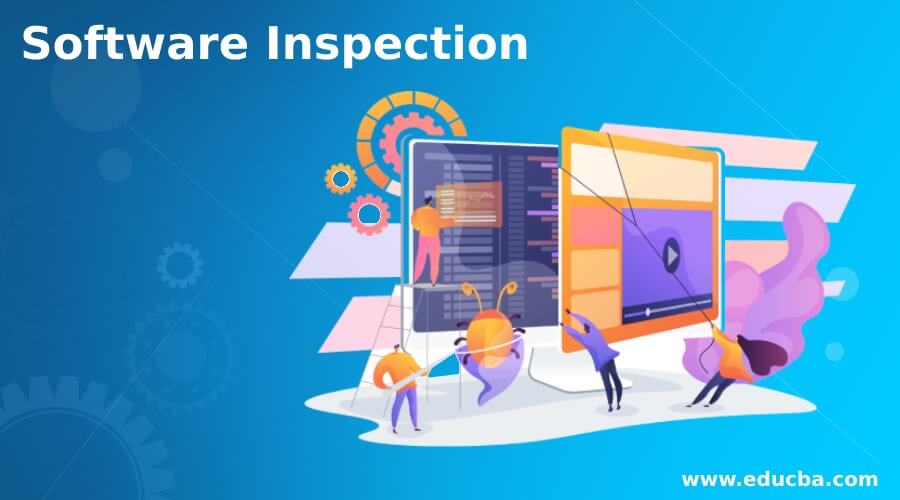
Stunning Software Inspections Picture for Mobile
This gorgeous software inspections photo offers a breathtaking view, making it a perfect choice for your next wallpaper.
Crisp Software Inspections Capture Illustration
This gorgeous software inspections photo offers a breathtaking view, making it a perfect choice for your next wallpaper.
Exquisite Software Inspections View Art
This gorgeous software inspections photo offers a breathtaking view, making it a perfect choice for your next wallpaper.
Serene Software Inspections Artwork for Mobile
Experience the crisp clarity of this stunning software inspections image, available in high resolution for all your screens.

Gorgeous Software Inspections Artwork in 4K
A captivating software inspections scene that brings tranquility and beauty to any device.
Vibrant Software Inspections Photo for Desktop
Experience the crisp clarity of this stunning software inspections image, available in high resolution for all your screens.
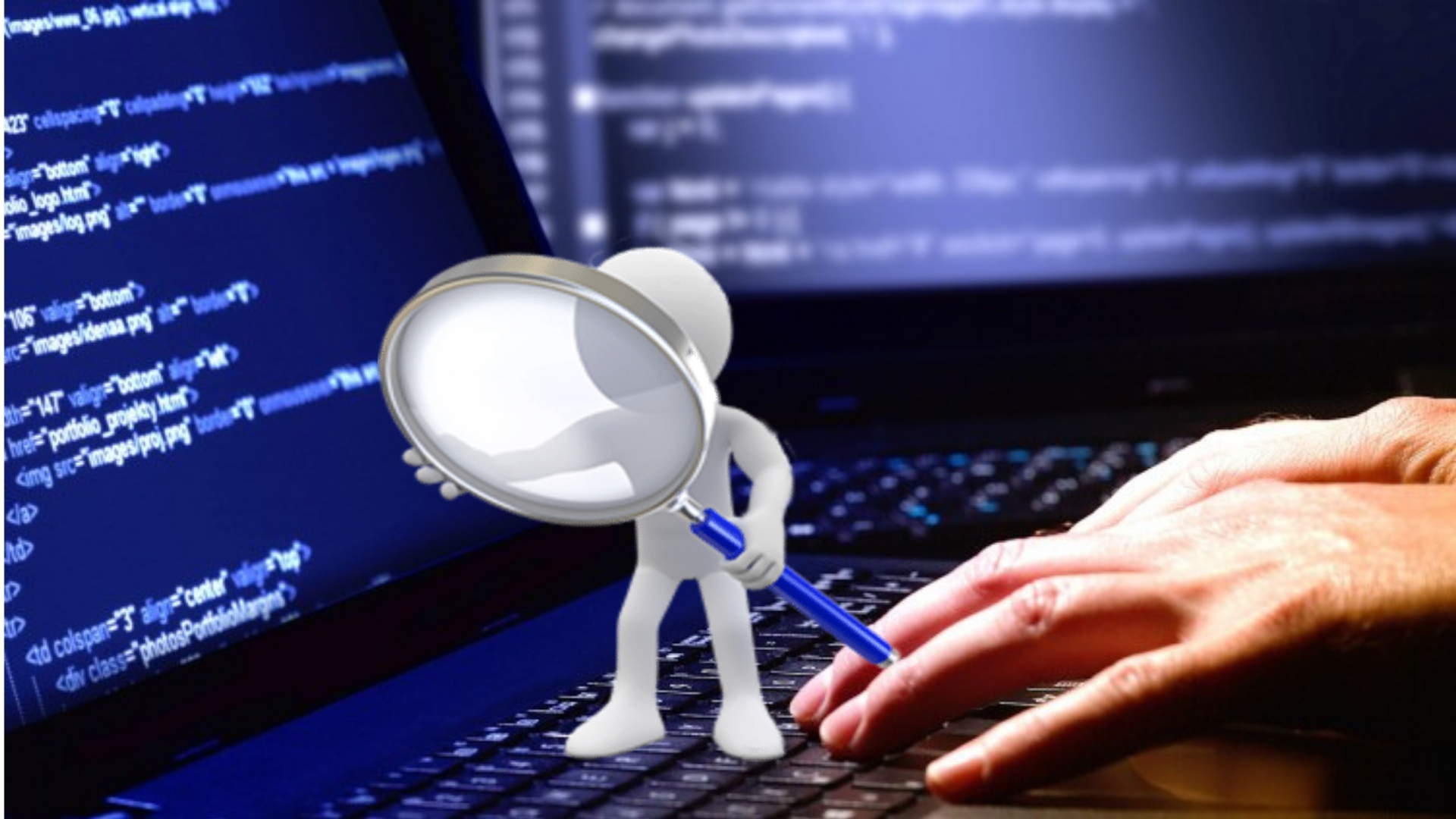
Lush Software Inspections Artwork in 4K
Find inspiration with this unique software inspections illustration, crafted to provide a fresh look for your background.
Exquisite Software Inspections Background for Your Screen
Immerse yourself in the stunning details of this beautiful software inspections wallpaper, designed for a captivating visual experience.
Mesmerizing Software Inspections Background Collection
Discover an amazing software inspections background image, ideal for personalizing your devices with vibrant colors and intricate designs.

Serene Software Inspections Abstract Concept
Discover an amazing software inspections background image, ideal for personalizing your devices with vibrant colors and intricate designs.
Serene Software Inspections Abstract in HD
Discover an amazing software inspections background image, ideal for personalizing your devices with vibrant colors and intricate designs.

Breathtaking Software Inspections Moment Illustration
Transform your screen with this vivid software inspections artwork, a true masterpiece of digital design.
Captivating Software Inspections Artwork for Mobile
A captivating software inspections scene that brings tranquility and beauty to any device.
Serene Software Inspections Design for Desktop
Transform your screen with this vivid software inspections artwork, a true masterpiece of digital design.
Download these software inspections wallpapers for free and use them on your desktop or mobile devices.
0 Response to "Software Inspections"
Post a Comment